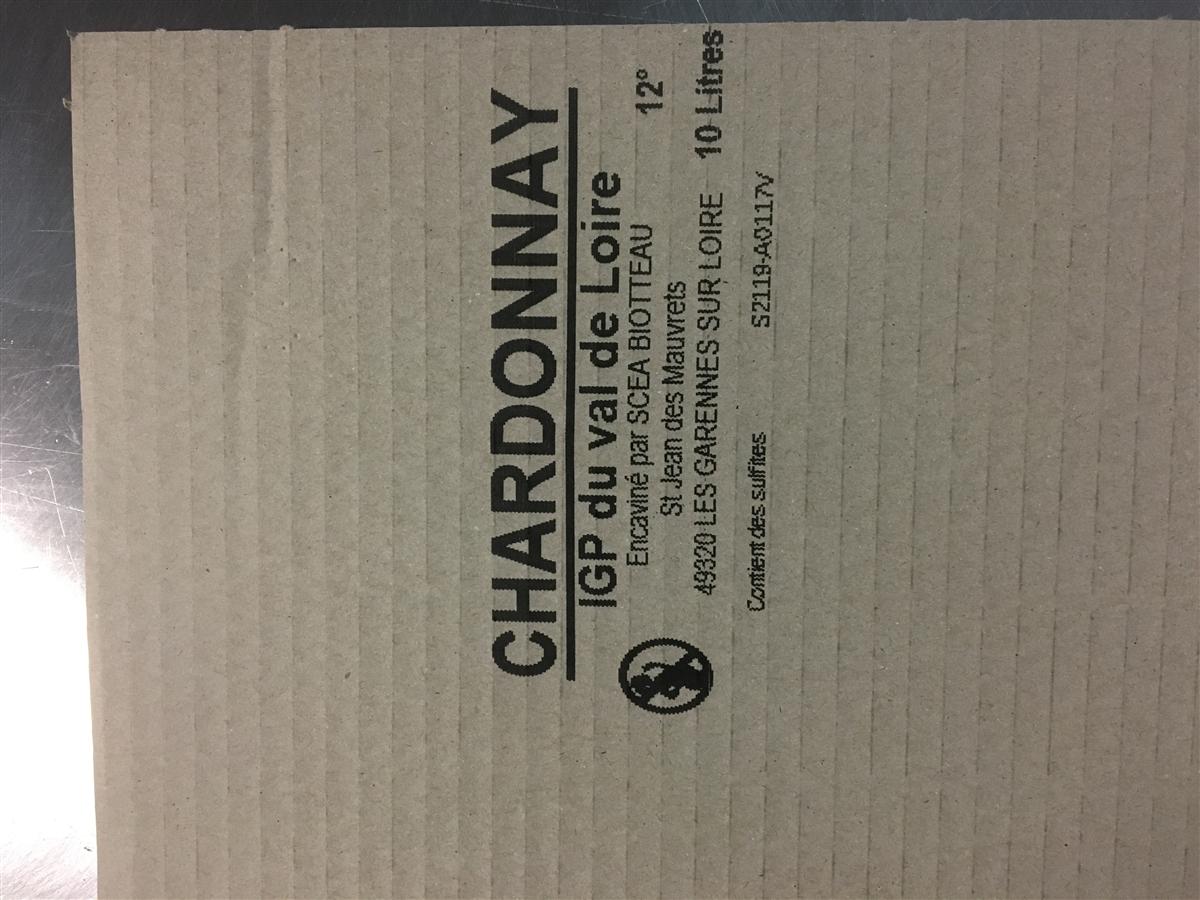
Two approaches to the same traceability goal
To identify a product, carton or pallet, manufacturers generally apply a label or print directly on the substrate. Both solutions can be relevant, but they do not address the same production constraints.
Labels provide extensive graphic flexibility, but require a consumable, an applicator, label stock and management of multiple references. Direct inkjet printing creates variable data at the last moment, directly on the product or packaging, without contact with the substrate.
When should you choose direct inkjet?
Inkjet is especially useful when references, lots, dates or destinations change frequently. It avoids preparing a label for every variant and reduces the risk of applying the wrong reference. It can mark cartons, wood, pallets, bottles, parts and metal surfaces when the ink and technology are correctly selected.
Direct printing is recommended when you need variable data from an ERP or WMS, fewer consumables, no label peeling during transport, conveyor integration and traceability printed close to shipping.
When is a label still the best option?
Labels remain relevant when packaging must display a large amount of regulatory information, a complete brand design or a colour visual. They may also be preferable when the surface is extremely irregular, dusty or impossible to position consistently in front of a printhead.
However, compare the complete system: printer, applicator, adhesive, format changes, maintenance and downtime. The price of a label alone does not represent its total cost.
Practical comparison
| Criteria | Inkjet | Labels |
|---|
| Variable data | Very flexible, on-demand printing | Possible with print-and-apply |
| Substrates | Cardboard, wood, glass, metal and plastic depending on ink | Surface compatible with the adhesive |
| Peeling risk | None | Depends on adhesive and environment |
| Logistics | No label stock for every reference | Stock and variant management required |
Which ALLEN FRANCE solution?
For cartons and pallets, the
X72 prints text, barcodes, DataMatrix and QR codes directly. For large markings on porous substrates, the
ResMark 5000 offers up to 100 mm per head and up to 300 dpi. On glass, metal and plastic, the
IQJET CIJ provides contactless printing. On film or varnished labels, the
53K provides precise variable data transfer.
Conclusion
The best solution is not always the cheapest machine to purchase. Compare total cost, flexibility, resistance, error risk and integration. A test on your substrates is the most reliable way to choose between direct inkjet and labels.
ALLEN FRANCE, distribuidor oficial de Allen Coding y Diagraph desde 1984, acompaña a los industriales en sus proyectos de marcaje y trazabilidad. Nuestros técnicos se encargan de la instalación, la formación y el mantenimiento de sus equipos en toda Francia, con stock permanente de consumibles y repuestos. Contacte con nuestros expertos para un presupuesto gratuito y una demostración sobre sus propios productos.